Weald Property Works

Why Your Door Won't Close Properly (And How We Fix It)

Sticking, scraping or not latching? Here's what's really going on.

A door that won't close properly is one of those minor annoyances that quickly becomes a daily frustration. You push it harder, lift it slightly, wiggle the handle, or blame the house for "settling."

But in most cases, the reason is simple - and the fix is straightforward when you know what to look for.

Here are the most common causes we see in homes across Kent, Surrey and Sussex, and how we put them right.


1. The Door Has Dropped on Its Hinges

This is by far the most common problem.

Over time, hinges loosen or wear, causing the door to sag and the latch to no longer line up with the strike plate.

Typical symptoms:

  • You have to lift the door slightly to close it
  • The bottom corner catches on the floor
  • The latch hits the strike plate instead of sliding in

How we fix it:

  • Tighten loose hinge screws
  • Re-seat the hinges properly
  • Replace worn or incorrect screws with longer ones for better grip
  • Pack out the hinges if adjustment is needed

Often, it's fixed in under an hour.
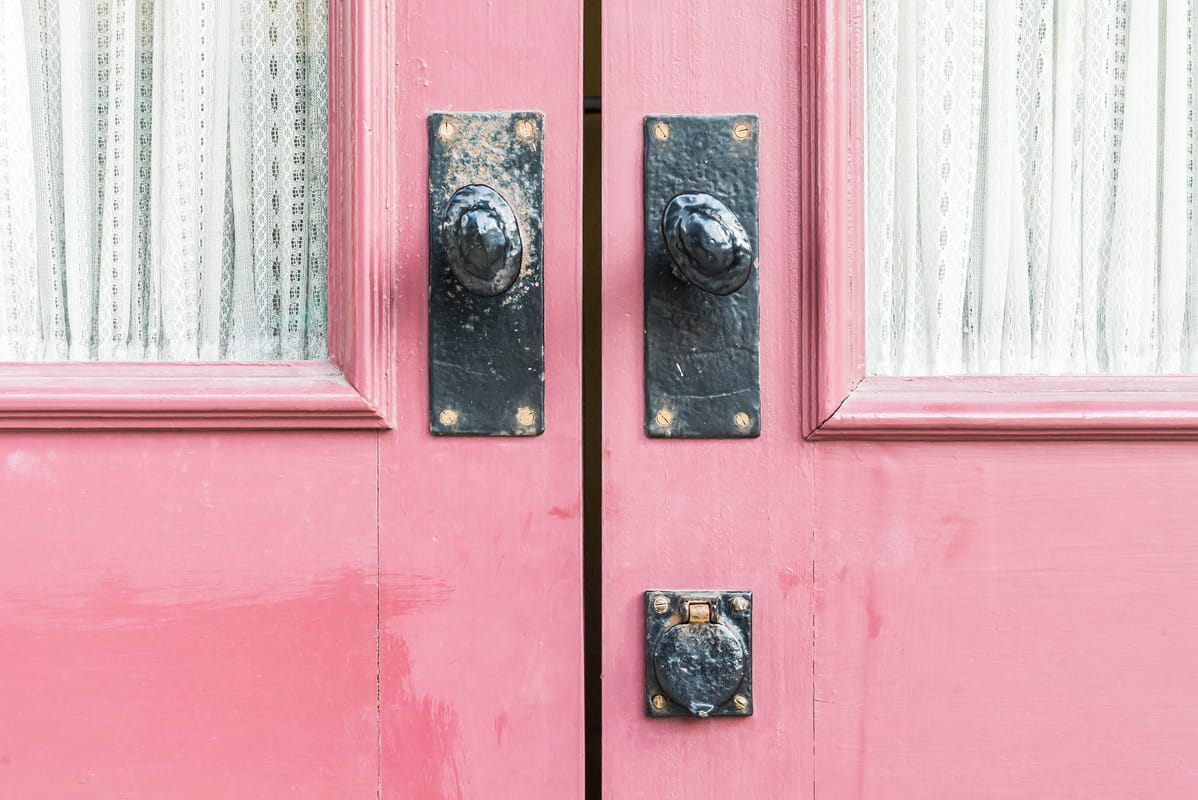
Door furniture on a pink door
If latches are catching, your door may have dropped on it's hinges.

2. Swollen Timber (Especially in Winter)

Humidity, rain and cold weather can cause wooden doors to expand just enough to rub on the frame or floor.

Symptoms:

  • The door sticks on one edge
  • Movement feels "heavy."
  • Seasonal - worse in winter, fine in summer

How we fix it:

  • Identify the contact point
  • Lightly plane or sand the affected area
  • Seal or paint exposed timber so the problem doesn't return

It's a relatively minor adjustment that makes a big difference.

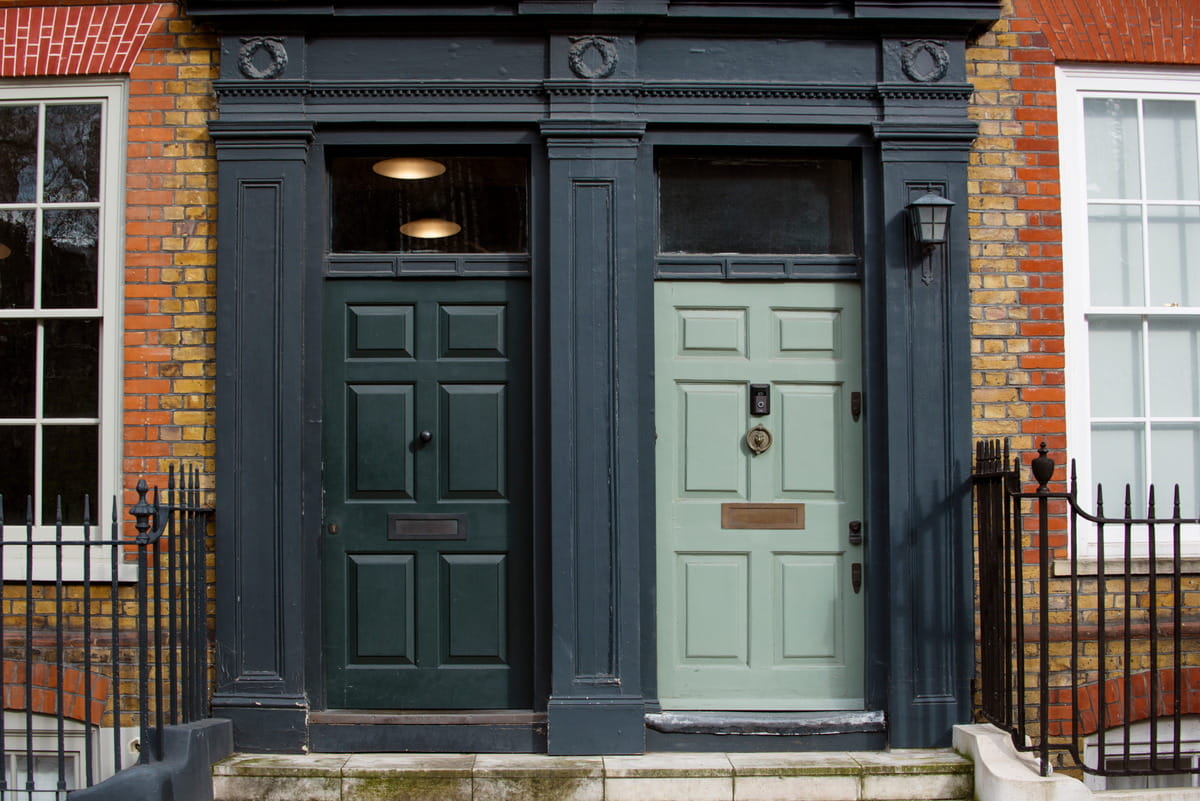
2 Front Doors
Doors can swell in colder weather causing them to jam.

3. Misaligned Latch or Strike Plate

Even a few millimetres of movement can stop the latch from engaging.

Symptoms:

  • Handle works, but the door won't "click" shut
  • Latch hits the metal plate instead of going in
  • The door bounces back when you push it closed

How we fix it:

  • Adjust the strike plate position
  • Recess it properly into the frame
  • Widen or modify the existing recess where needed
  • Check latch alignment and operation

A slight adjustment here solves the issue instantly.

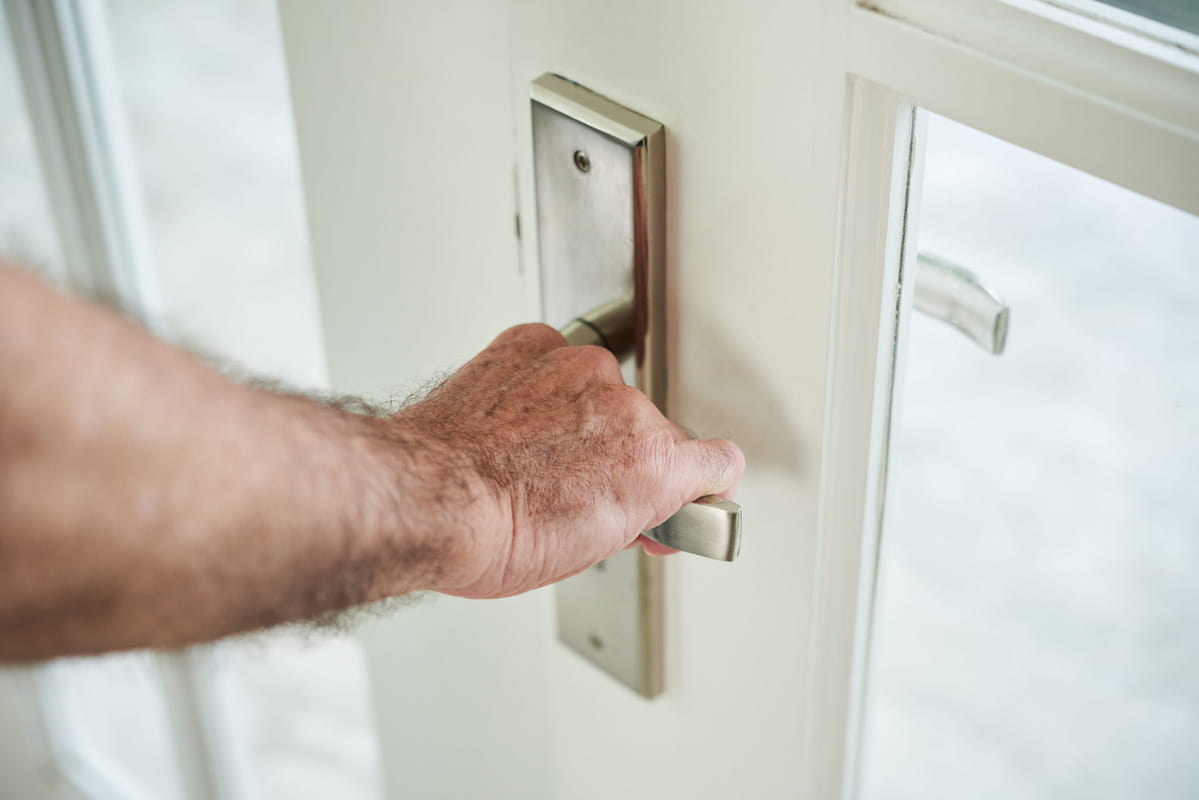
Door Handles
A Misaligned latch can cause problems when leaving the house.

4. Loose or Worn Handles & Latches

If the internal mechanism is worn, the latch doesn't extend properly - or at all.

Symptoms:

  • The handle feels floppy
  • The door won't stay shut unless pushed hard
  • Latch feels "soft" or slow to return

How we fix it:

  • Tighten or re-seat the handle
  • Replace the latch mechanism
  • Fit the correct spindle and screws
  • Lubricate the parts where appropriate

A new latch is usually relatively inexpensive and solves the problem.

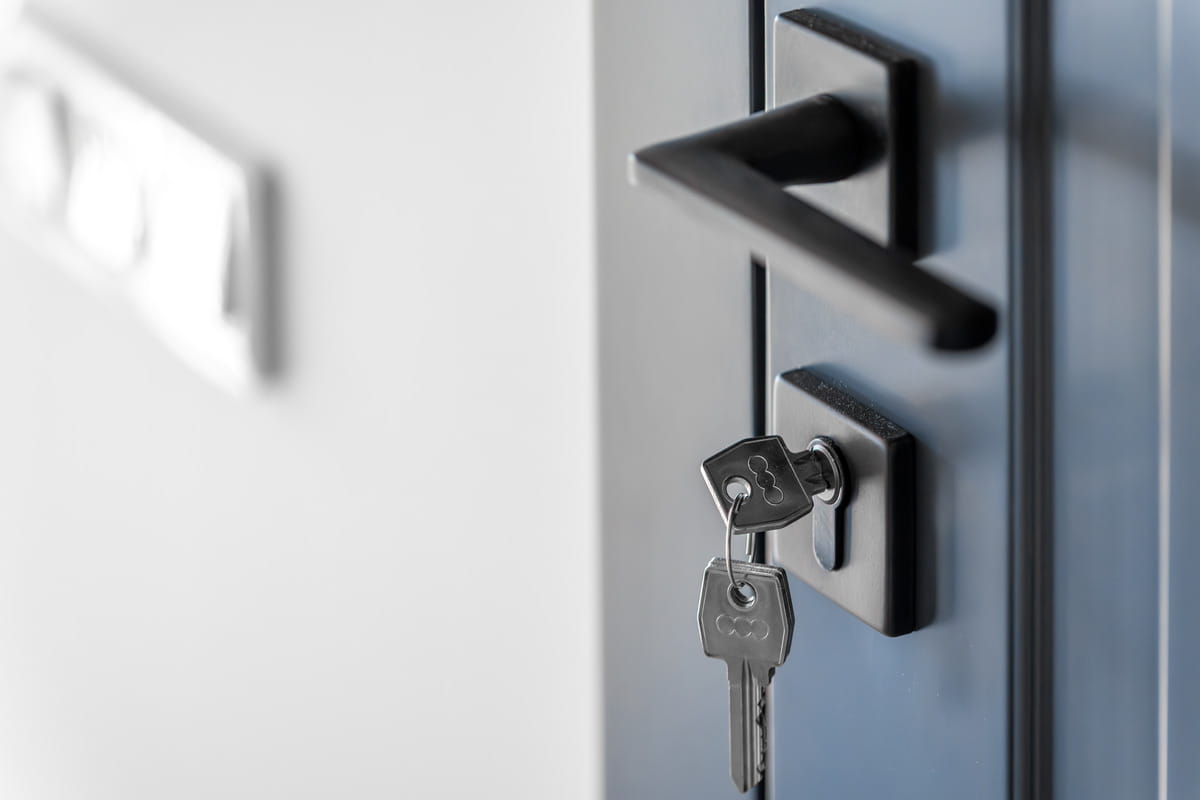
Door Lock with Keys
Replacement locks make a big difference when entering your home.

5. Frame Movement in Older Properties

In period homes, frames can settle or twist over time.

Symptoms:

  • Gaps look uneven
  • The door touches one side more than the other
  • Multiple doors in the house behave the same way

How we fix it:

  • Re-align the hinges
  • Adjust the frame where possible
  • Rebuild or pack sections if needed
  • Plane the door to match the frame's current shape

Even in older homes, it's usually fixable. It just requires a bit more time to work carefully and sympathetically with the original period fittings.

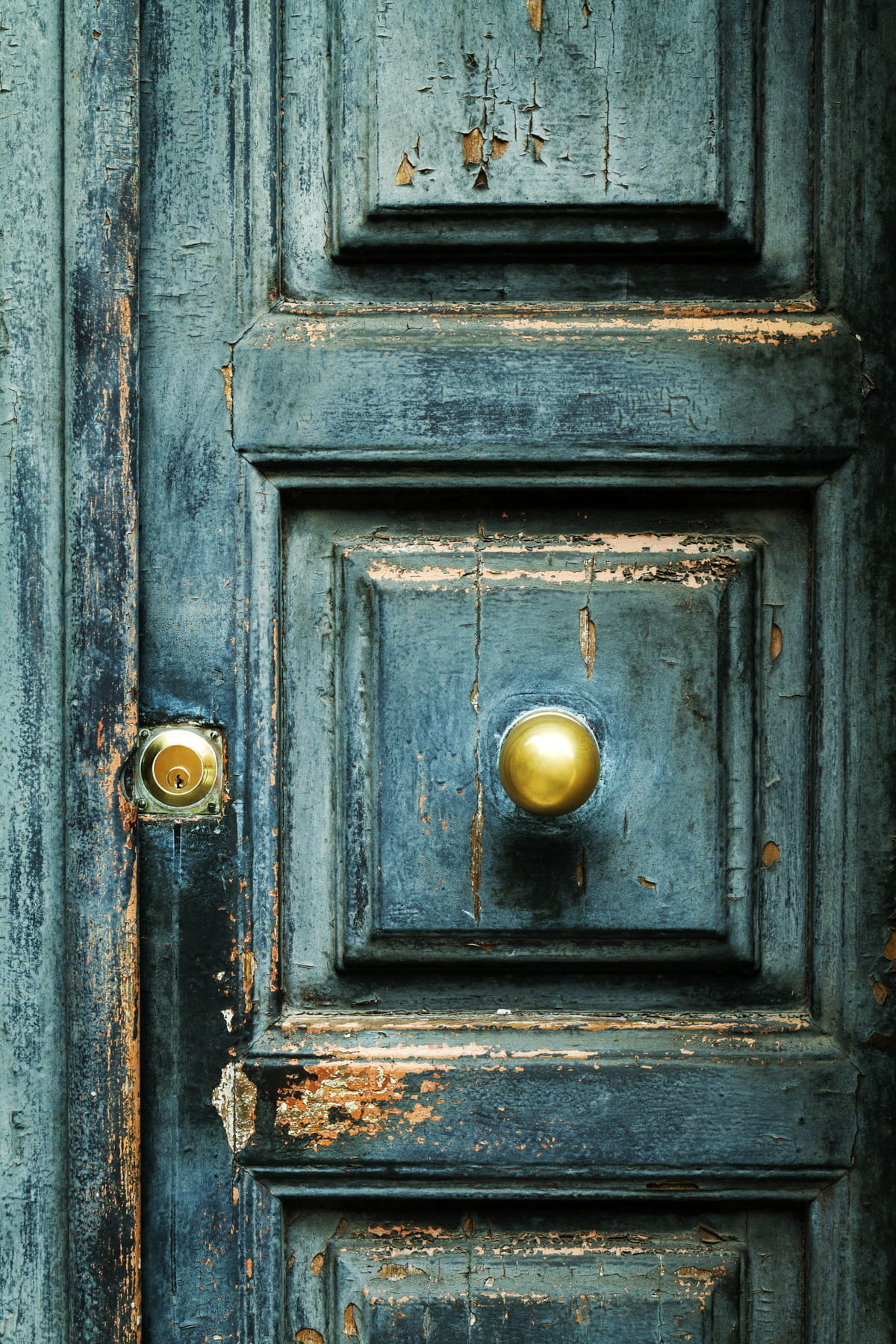
Door Lock with Keys
Door frames can twist over time, especially in period properties.

A Door That Works Properly Feels Good Daily

This type of job seems small, but when a door finally closes smoothly, the whole room feels right again. It's usually quick, cost-effective, and one of the most satisfying fixes we do.

↑