Weald Property Works

10 Small Repairs That Prevent Expensive Damage Later

Quick fixes now... significant savings down the line.

Many costly home repairs start with something small - a loose tile, a cracked seal, a drip under a sink. These issues often go unnoticed until they've quietly caused damp, rot or structural damage. The good news? Most of them are simple, relatively inexpensive fixes when caught early. Here are 10 small repairs that are genuinely worth tackling before they turn into bigger problems.


1. Resealing Baths, Showers & Sinks

Damaged silicone allows water to seep into walls and flooring. Once moisture gets behind tiles or under a bath edge, you're looking at blown bath panels, soft floors, and costly reinstatement.

A fresh bead of silicone is quick - and stops the rot before it starts.

2. Securing Wobbly Fences or Gates

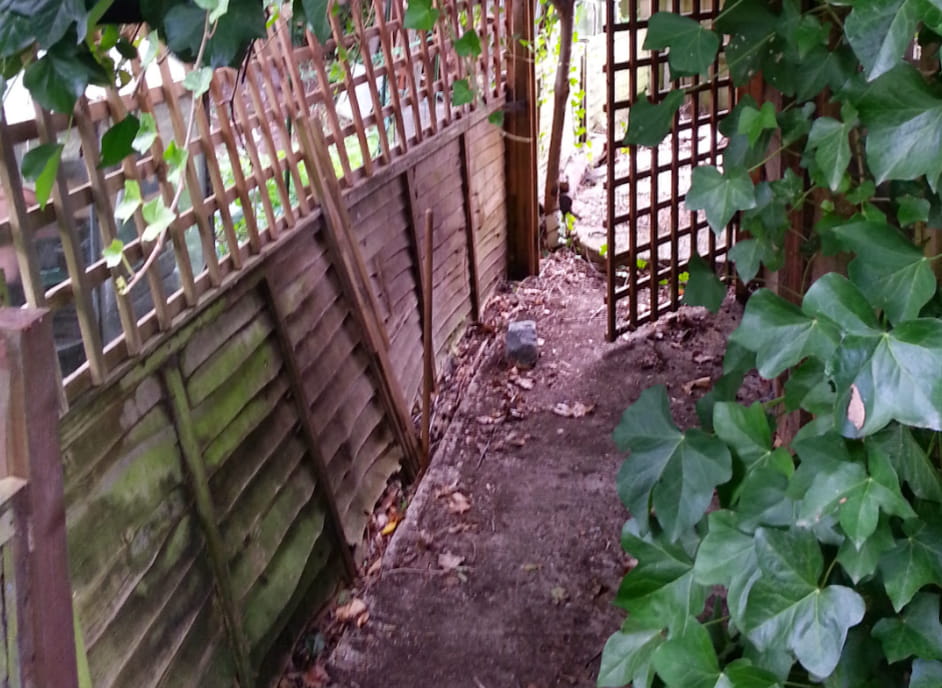
A wobbly fence post won't stay "slightly wobbly" for long. Wind and movement will worsen it until the post snaps and panels collapse.

A simple brace can keep everything upright and can save the need to replace whole sections.

A fence in need of repair
A fence beyond repair?

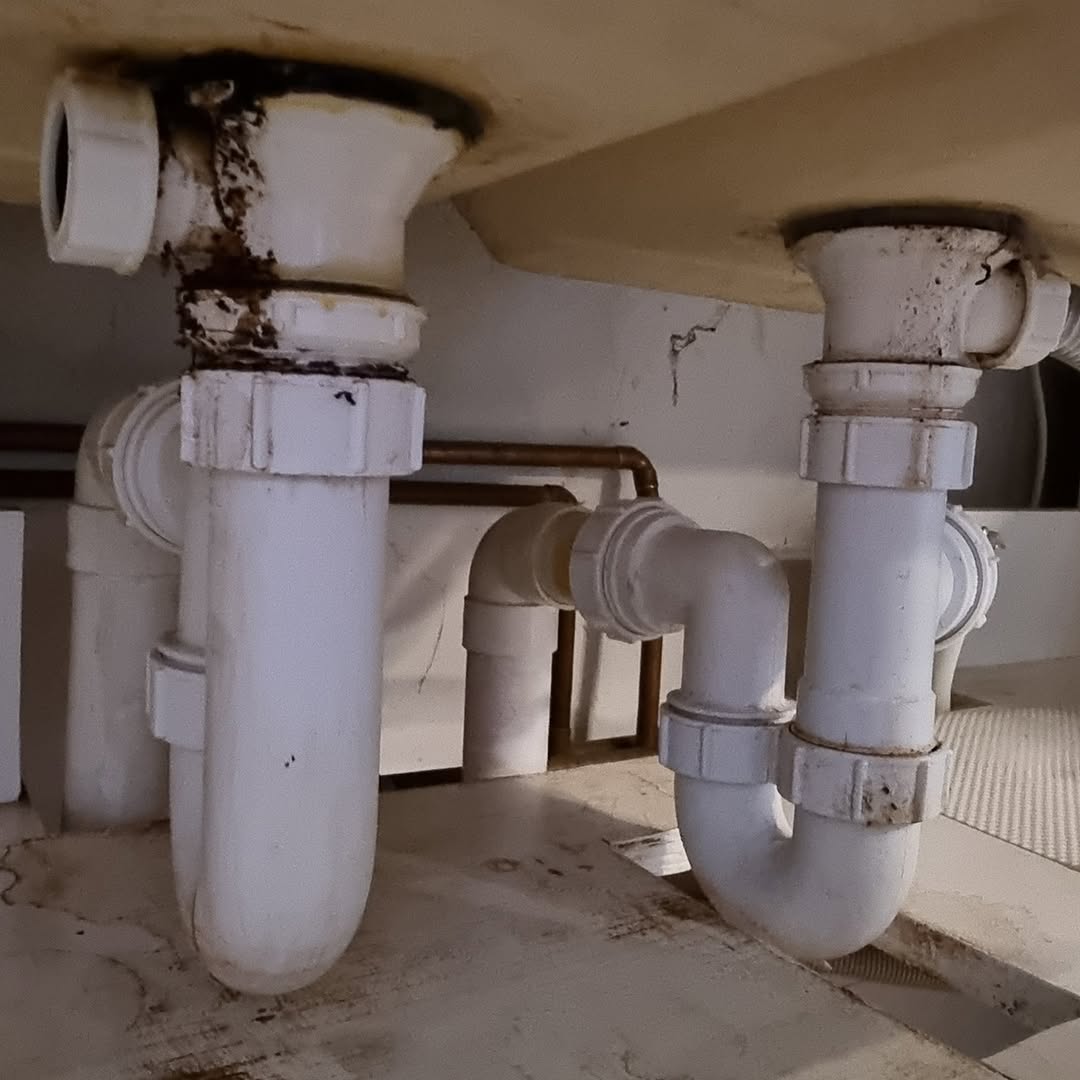
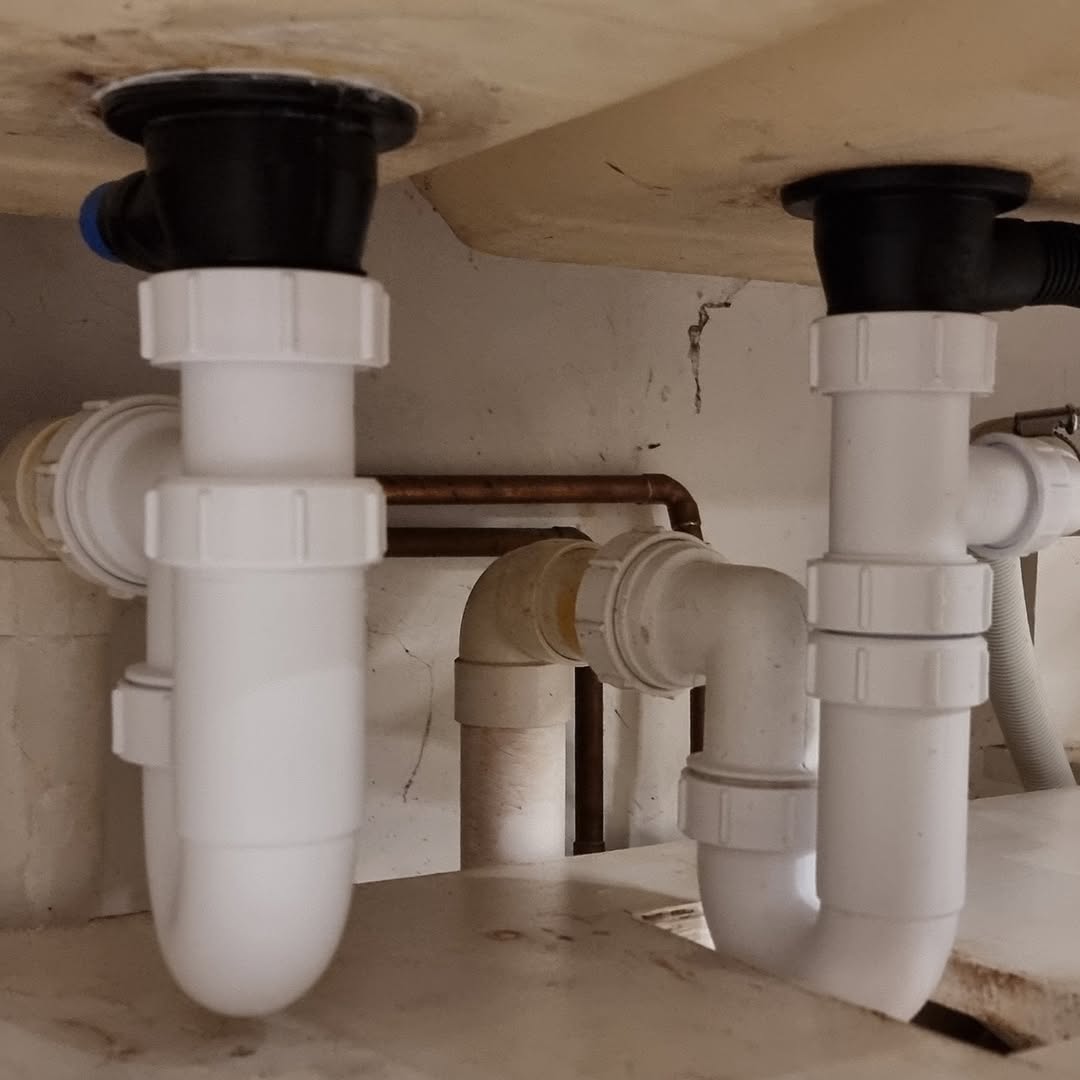
3. Fixing Leaky Sink Wastes

Drips from wastes often go unnoticed because they're hidden in cupboards. Over time, the constant moisture swells chipboard units, causes mould, and weakens fixings.

Catching it early means a new gasket or replacement waste unit, much cheaper than a whole new unit.

A leaky sink waste trap The waste after repair
This under sink waste had been leaking for years.

4. Repairing Shed or Outbuilding Felt Roofs

Torn or lifted felt lets water soak into the timber underneath. Once the boards start rotting, you're into full roof replacements rather than just a felt replacement. A simple felt repair now protects the structure for years.


5. Patching Minor Exterior Wall Cracks or Holes

Small cracks might look cosmetic, but once water gets in, winter frost expands them - widening cracks and damaging brickwork or render.

A quick fill-and-seal stops water penetration and protects your walls.


6. Repairing Loose Door Handles and Latches

Loose handles eventually tear out of the door, damaging timber and sometimes preventing the door from closing correctly.

Tightening or re-seating the fixings early avoids drilling, filling and replacing parts later.


7. Fixing Slow-Draining Sinks or Showers

Slow drainage is usually the first sign of a partial blockage. Left alone, it can completely block or cause wastewater to back up into other areas.

A quick clean-out now avoids far messier problems.


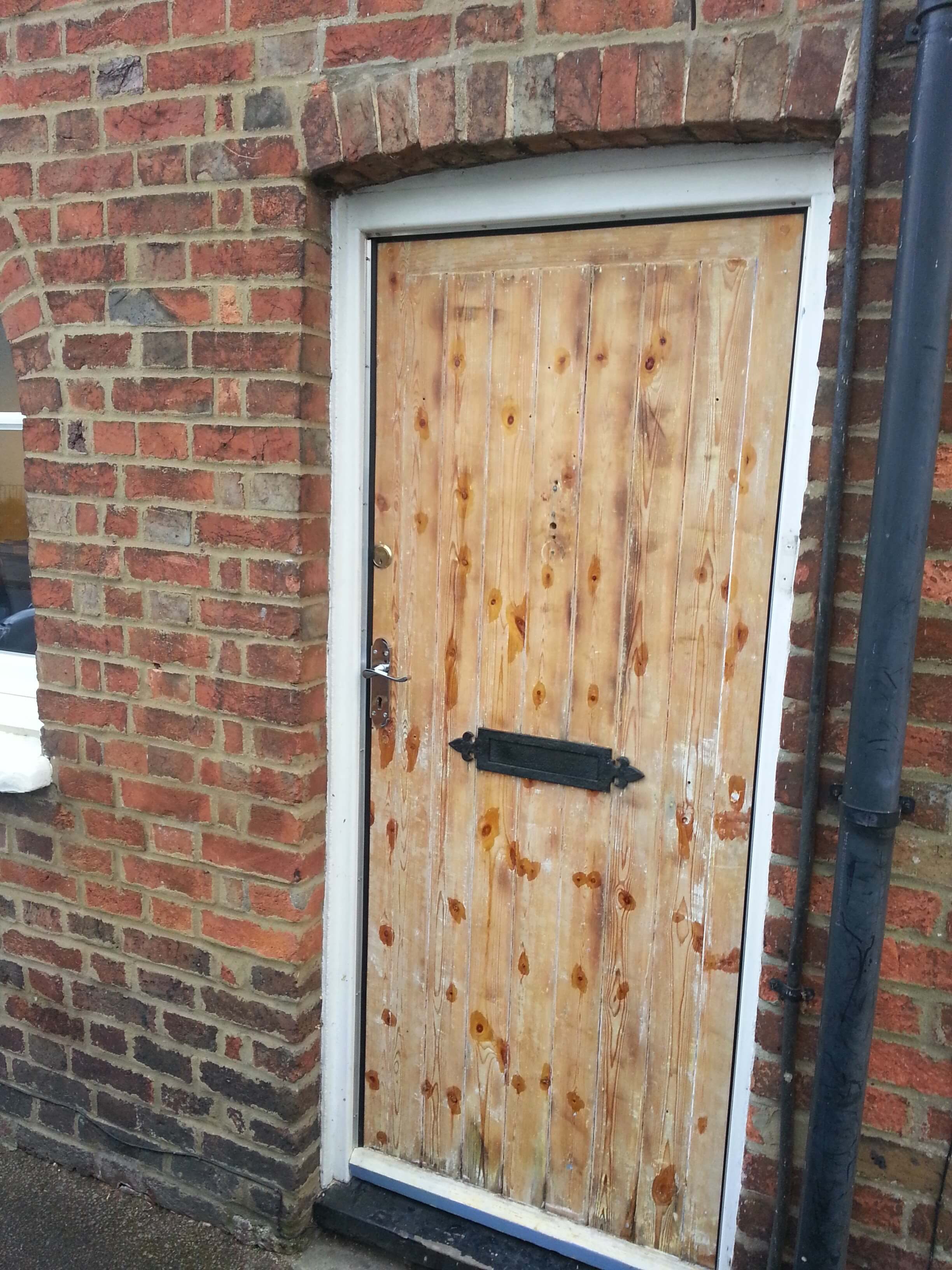
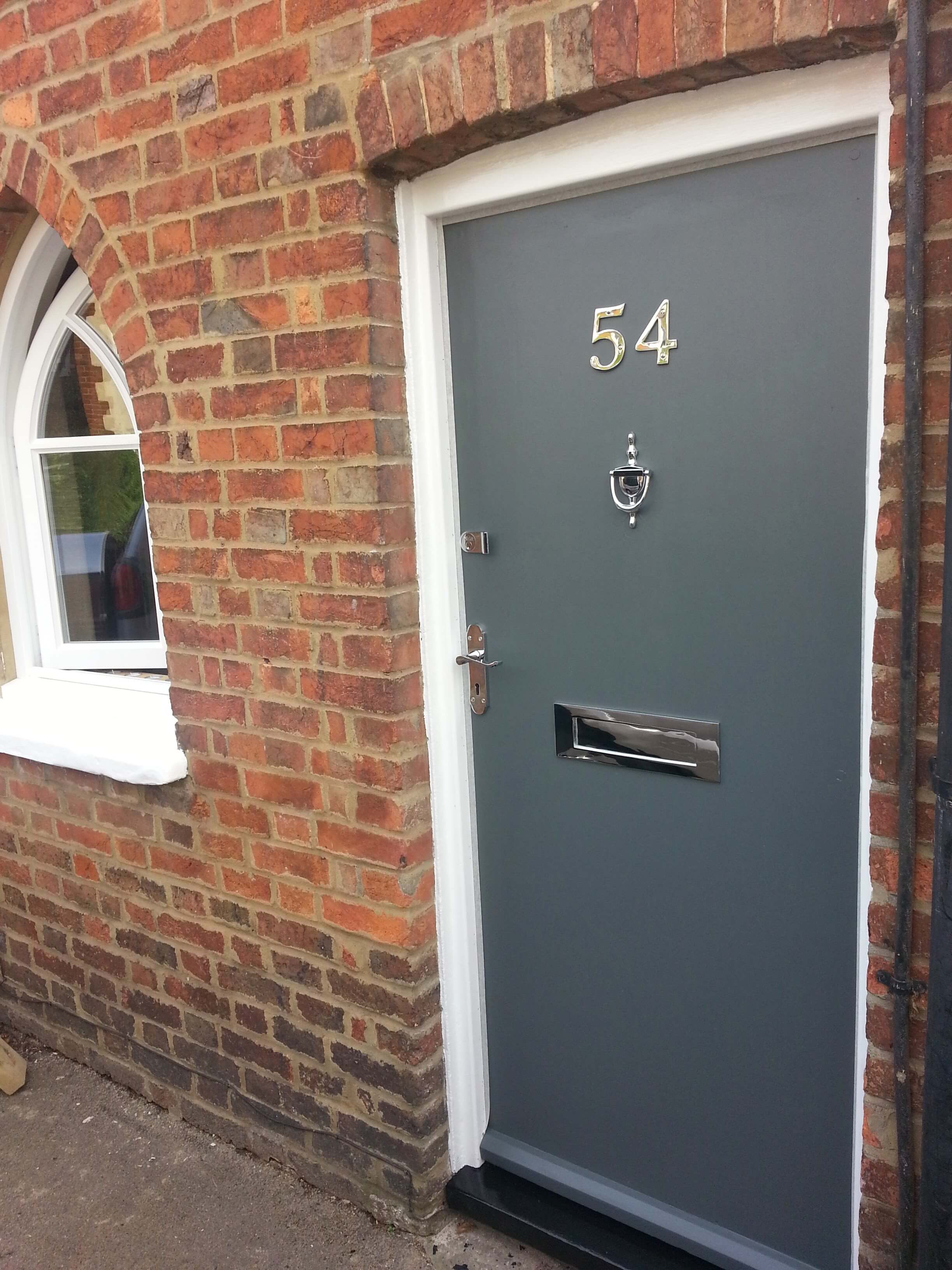
8. Touching Up Exposed Exterior Woodwork

Flaking paint exposes timber to rain, leading to swelling, rot and long-term structural issues. A small sand-and-paint job now is far cheaper than replacing windows or doors later.

A door sanded down and ready for painting A freshly painted front door
A repaint has added years of service to this door.

9. Repairing Loose Curtain Rails or Blind Brackets

Once they loosen, they rarely stop - and soon the whole bracket pulls out of the wall, leaving large holes and torn plaster.

A re-fix with proper anchors keeps everything secure.


10. Re-fixing or Replacing Loose Tiles (Bathroom or Kitchen)

Even one lifted tile allows water through, leading to damp patches, blown plaster and tiles coming away in clusters.

Fixing it early is quick. Leaving it risks a complete wall repair.


Minor Fixes Make a Big Difference

You don't need major renovations to protect your home - just a little timely maintenance. These small jobs are inexpensive now, but ignoring them can cost hundreds (or thousands) later.